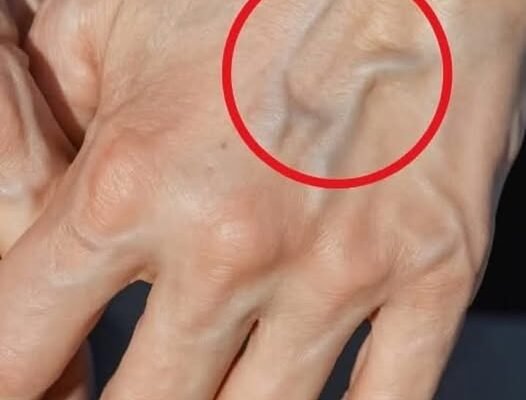
Visible veins appearing seemingly out of nowhere can be alarming, especially when they show up on your hands, arms, legs, or even your chest. In many cases, these veins are completely harmless and result from natural changes in your body, such as aging or physical activity. However, there are scenarios where suddenly prominent veins may signal a more serious underlying health issue.Understanding when to be concerned—and when not to—can help you make informed decisions about your health.
What Causes Veins to Suddenly Become Visible?Veins that appear more prominently on the surface of your skin may not always be a sign of illness. Several normal physiological changes can make your veins more visible.
1. Low Body FatOne of the most common reasons for visible veins is a reduction in subcutaneous fat—the fat layer just beneath your skin. As this layer becomes thinner, veins that were previously hidden can become more noticeable. This often happens in people who are:Losing weight rapidly
Highly athletic or lean by natureExperiencing age-related fat loss
2. Exercise and Weight TrainingEngaging in intense or regular exercise, especially resistance training and weight lifting, can increase blood flow and muscle definition. This causes veins to dilate (widen) and move closer to the surface of the skin. Over time, repeated workouts can lead to permanently visible veins, especially on the arms, shoulders, and legs.3. Hot Weather and Temperature ChangesDuring warm weather, the body attempts to regulate temperature by dilating blood vessels, including veins. This can temporarily make your veins look more prominent, especially in areas like the hands, arms, and feet.
3. Veins That Feel Hard or Rope-LikeBulging, twisted, or rope-like veins are common symptoms of varicose veins, which develop when vein valves malfunction and blood pools in the lower extremities. These veins may cause:A heavy or aching feeling in the legs
4. Aging and Skin ChangesAs you age, your skin loses elasticity and collagen, becoming thinner and more transparent. Veins that were once hidden beneath the surface may begin to show through more clearly, especially on the hands, chest, and lower legs.5. Hormonal FluctuationsHormonal shifts—such as those occurring during pregnancy, menopause, or hormone replacement therapy—can affect your circulatory system. These changes may increase vein visibility or cause new veins to appear, particularly in the legs and breasts.When Should You Be Concerned About Visible Veins?While visible veins are often normal, certain signs and symptoms may indicate a deeper medical concern. Below are scenarios where visible veins warrant further evaluation.1. Sudden Onset Without Clear ReasonIf new veins appear and you haven’t lost weight, changed your exercise routine, or experienced hot weather, their sudden visibility could point to a vascular or circulatory issue. Conditions like venous insufficiency or blood clotting disorders may cause this symptom.⚠️ Tip: Keep track of when the veins appeared and whether you noticed other symptoms at the same time, such as fatigue or pain.2. Pain, Redness, or Swelling Around the VeinIf a visible vein is tender, swollen, or warm to the touch, it could be a sign of:Phlebitis (inflammation of the vein)Deep vein thrombosis (DVT), a serious condition where a blood clot forms in a deep vein—often in the legsSuperficial thrombophlebitis, where clots develop in veins close to the surfaceThese conditions require immediate medical attention, particularly DVT, which can lead to life-threatening complications if left untreated.3. Veins That Feel Hard or Rope-LikeBulging, twisted, or rope-like veins are common symptoms of varicose veins, which develop when vein valves malfunction and blood pools in the lower extremities. These veins may cause:A heavy or aching feeling in the legsThrobbing or burning sensationsItchiness or skin irritation around the veinThough not always dangerous, untreated varicose veins can lead to chronic venous insufficiency, skin ulcers, or blood clots.4. Skin Discoloration or Ulcers Around the VeinChanges in the skin near the vein, such as darkening, flaking, or open sores, can indicate chronic circulation problems. Most commonly, these symptoms are associated with:Chronic venous insufficiency (CVI)Venous stasis dermatitis, an inflammatory condition of the lower legsCVI occurs when blood has difficulty returning to the heart, leading to pooling and pressure in the veins. Over time, this may result in skin damage and leg ulcers.5. Sudden Vein Visibility in the Chest or AbdomenThis is relatively rare, but if new spider-like veins or a webbed pattern appears on your chest, stomach, or back, it could be a sign of:Liver disease (such as cirrhosis)Portal hypertension, a condition where pressure builds in the veins of the liverCertain types of cancer, particularly if veins appear rapidly and without an obvious triggerThese symptoms should be taken seriously, especially if accompanied by unexplained weight loss, fatigue, or abdominal swelling.When to See a Doctor About Your VeinsIf you’re unsure whether your newly visible veins are harmless or a sign of something serious, it’s best to consult with a healthcare provider. Seek medical advice if:Veins appear suddenly without a known triggerYou experience pain, warmth, redness, or swelling near the veinThere are signs of skin damage or ulcersVeins feel hard, bulging, or rope-likeYou’re experiencing additional symptoms such as leg cramps, fatigue, or unexplained weight lossYou’re concerned about their cosmetic appearance and want treatment optionsYour doctor may recommend ultrasound imaging or other diagnostic tests to evaluate the vein structure and blood flow.Diagnosing and Treating Problematic VeinsIf your healthcare provider determines that the veins are more than just cosmetic, potential treatments may include:Non-Surgical Options:Compression stockings to support blood flowLifestyle changes, such as weight management and increased movementMedications to reduce inflammation or treat underlying conditionsMedical Procedures:Sclerotherapy: Injecting a solution to close off smaller varicose veins or spider veinsLaser therapy: Non-invasive treatment using light to collapse the veinVein stripping or endovenous ablation: Procedures used for more severe varicose veinsTreatment depends on the cause, severity, and whether the veins are affecting your health or quality of life.How to Prevent Vein Issues in the FutureWhile you can’t change your genetics or stop the aging process, there are several steps you can take to support your circulatory system:Stay active: Regular walking or light exercise boosts circulationMaintain a healthy weight to reduce vein pressureAvoid sitting or standing for prolonged periodsElevate your legs when resting to improve blood returnWear compression garments if recommended by your doctorFinal Thoughts: Visible Veins Are Not Always a Red FlagNot all visible veins are dangerous or require treatment. In fact, for many people, they are a normal part of aging, fitness, or body changes. However, sudden changes or accompanying symptoms like pain, redness, or skin issues should not be ignored.Your veins tell a story about your body’s circulatory health. When in doubt, consult a healthcare provider—not only for peace of mind but also to ensure early detection and treatment of any potential problems.Source:Cleveland Clinic – Varicose Veins: Symptoms, Causes, and Treatment