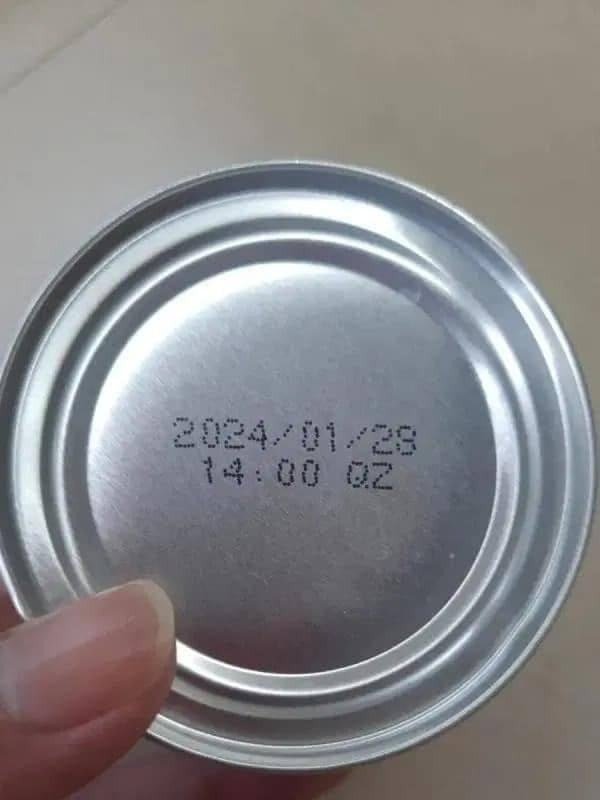
Many people believe that the date printed on food packaging is a strict safety deadline, but this is a common misunderstanding. In most cases, these dates are not warnings of danger but guidelines for quality. In the United States, federal law only requires true expiration dates on infant formula because its nutrients must meet specific standards for babies. For nearly all other foods, manufacturers voluntarily place dates on products to indicate when flavor, texture, or freshness is expected to be at its peak—not when the food suddenly becomes unsafe to eat.
It’s important to understand the differences between common food labels. “Best By” or “Best Before” dates suggest when a product will taste or perform its best, but the food is often still safe long after that date if stored properly. Shelf-stable items like pasta, cereal, rice, canned vegetables, and snacks can remain usable well beyond the printed date. “Sell By” dates are mainly for retailers to manage stock and ensure products are rotated efficiently; they are not meant to guide consumers on food safety. Even “Use By” dates, often found on refrigerated items, are conservative estimates and should be considered alongside visual checks, smell, and texture.