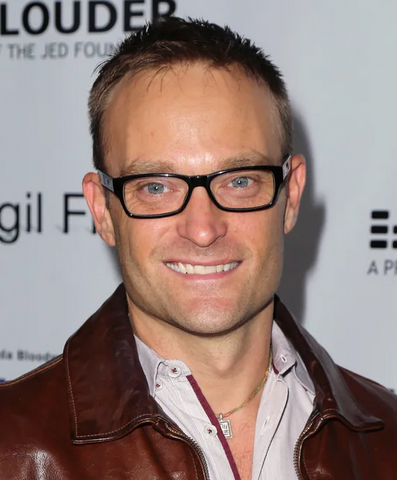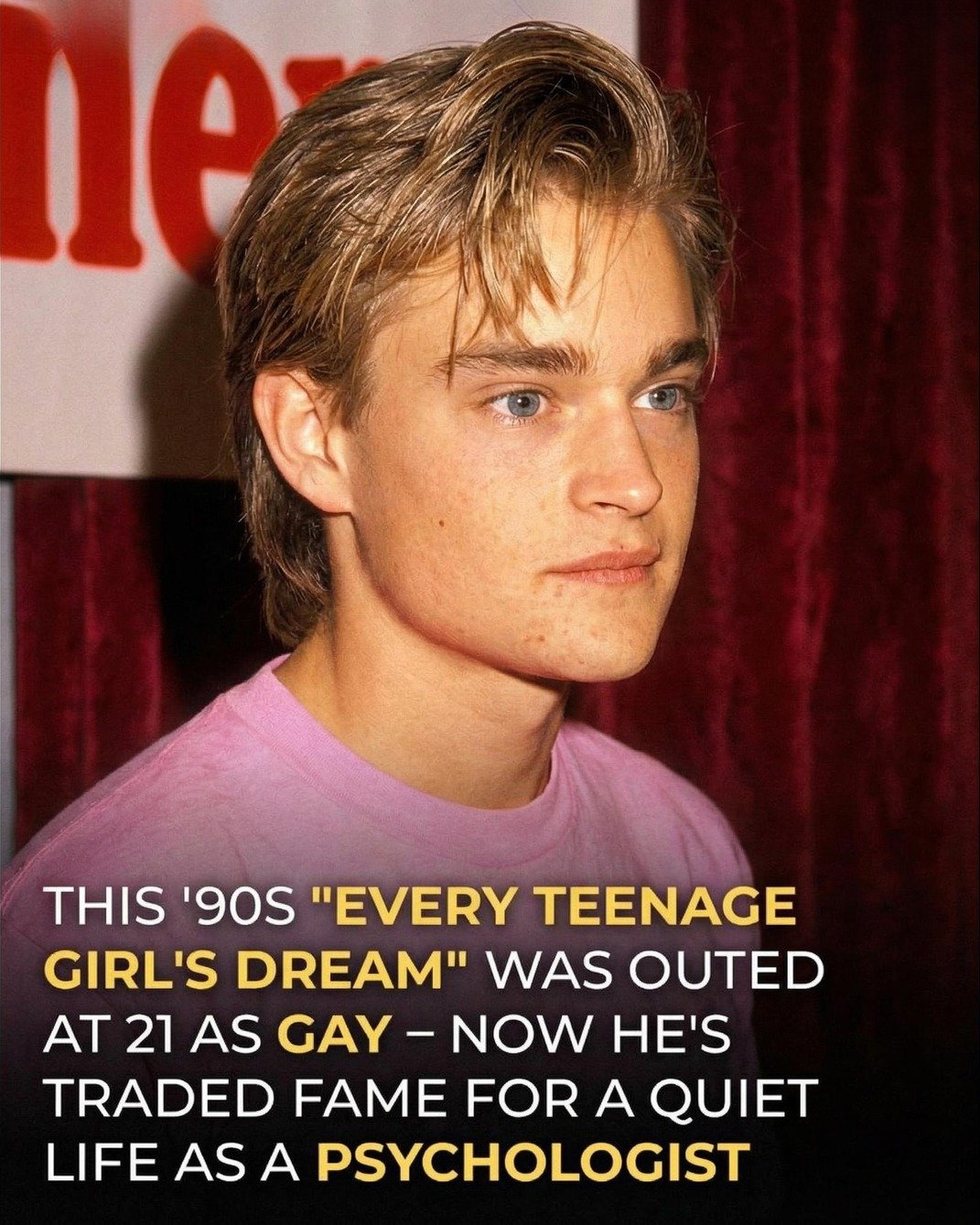
Long before he chose a quiet life away from fame, Chad Allen was one of the most recognizable young faces on television. As a child actor, he grew up on soundstages rather than playgrounds, balancing schoolwork with long filming days across several popular TV series. Acting came naturally to him, and for a time, it brought joy and purpose. Yet the attention that followed was overwhelming. Magazine covers, interviews, and carefully managed public images slowly replaced the freedom of an ordinary childhood. While audiences saw a confident teen idol, behind the scenes he was already questioning who he was outside of the roles he played and the expectations placed on him.
As he entered his teenage years, Allen began to feel the cost of growing up in the spotlight. He longed for normal experiences—sports, friendships, and the chance to blend in rather than stand out. Stepping away from full-time acting allowed him to reconnect with performance in a healthier way through theater, where creativity felt more authentic and less manufactured. At the same time, he wrestled with personal struggles, including substance abuse and the pressure of navigating his identity in an industry that often discouraged honesty. Recovery became a turning point, teaching him that healing required purpose, accountability, and connection. Helping others, he discovered, was not only meaningful but essential to his own well-being.
Allen’s journey toward self-acceptance unfolded gradually. Public scrutiny, especially around his personal life, forced him to confront difficult conversations with family and to define his values on his own terms. What surprised him most during that period was the response from strangers—letters from people who felt seen and supported simply by his presence and openness. These connections helped him understand that visibility, when handled with integrity, can be a source of encouragement rather than fear. Over time, the identity once shaped by fame gave way to one built on empathy, resilience, and service.
Eventually, Allen chose a completely new path, one far removed from red carpets and cameras. After years of study, he became a clinical psychologist, dedicating his work to helping adolescents and adults process trauma and find clarity in their lives. Today, he divides his time between teaching, private practice, and a quiet routine grounded in nature and reflection. His life now is intentionally simple—long walks, meaningful conversations, and work that aligns with his values. Looking back, Allen does not reject his past but sees it as one chapter in a much larger story. His journey is a reminder that fulfillment does not always come from applause or recognition, but from choosing a life that feels honest, balanced, and deeply human.