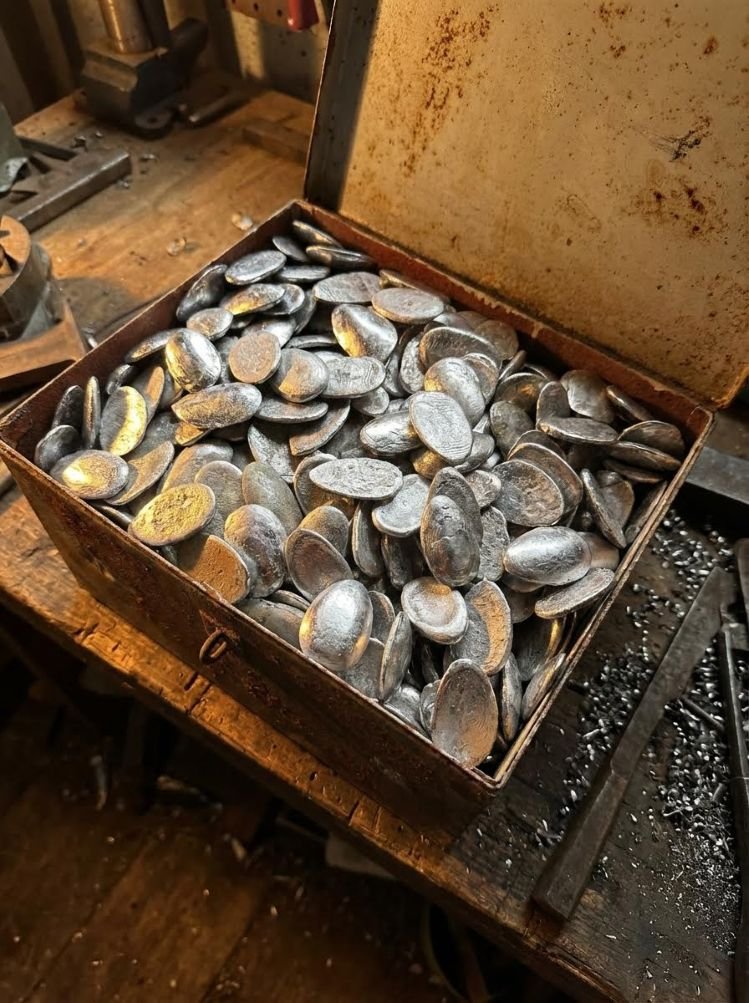
At first glance, it was the kind of object you might easily overlook—quietly resting among other old belongings, unassuming and unfamiliar. Its design felt oddly specific, shaped in a way that didn’t resemble anything commonly used today. It clearly had a purpose, yet that purpose wasn’t obvious. The longer I looked at it, the more questions surfaced. Who made it? Why was it designed this way? And most importantly, what role did it once play in everyday life? That single object sparked a curiosity that quickly grew into a deeper appreciation for tools from a time when practicality and creativity worked hand in hand.
As I began researching, I learned that many items we now consider mysterious were once essential parts of daily routines. Before modern appliances and digital conveniences, people relied on thoughtfully designed tools to cook, clean, repair, and create. These objects were often handcrafted or carefully engineered to solve very specific problems. A curved edge might improve grip, a hollow space might control flow or pressure, and a simple lever could save hours of physical effort. What appears unusual today was, in its time, a brilliant solution shaped by necessity, patience, and hands-on experience.