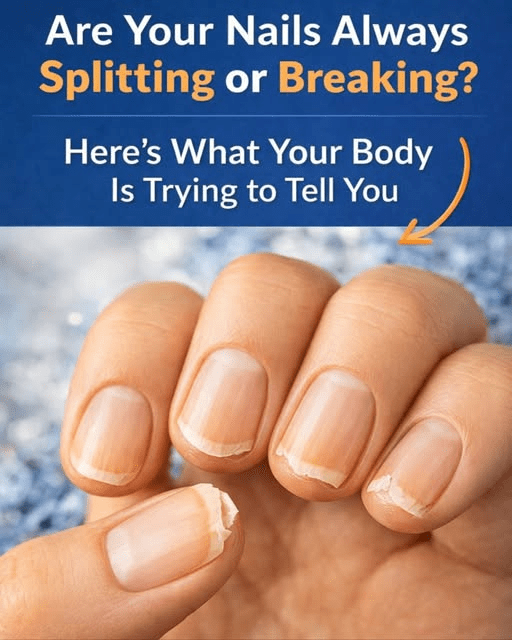
Imagine catching a glimpse of your hands during a busy day, only to notice another frustrating split in your thumbnail. That sharp edge snags on fabric, sending a tiny jolt of annoyance through your fingers. Have you ever paused, wondering if it’s just bad luck or something more? Your nails might be whispering clues about your overall well-being. In the following exploration, we’ll peel back the layers on what those breaks could mean. Stick around to discover insights that might surprise you and spark a new approach to self-care.

But what if those persistent splits are more than cosmetic woes? They could point to everyday habits or deeper issues brewing inside.
The Real Impact of Fragile Nails
Splitting nails disrupt simple tasks, like typing or buttoning a shirt. Over time, this leads to self-consciousness about your hands’ appearance. Research shows brittle nails affect up to 20% of people, often worsening with age.
Ignoring these signs might mean missing early warnings. What starts as a minor crack could escalate, affecting your confidence in social settings. Have you considered how this impacts your daily routine?
The frustration builds when home remedies fail. But here’s a thought: could your body be highlighting a need for change? Let’s dive deeper into the possibilities.
Unraveling the Mystery Behind Nail Breaks
You might think splits come from rough handling alone. Yet, studies suggest multiple factors at play, from environmental to internal. This creates a puzzle worth solving for better health awareness.
Picture Sarah, a 52-year-old teacher, who noticed her nails cracking more after long days at work. She felt embarrassed shaking hands with parents. Her story mirrors many, where nails reveal overlooked stresses.
But wait, there’s more to uncover. What if understanding these signals leads to simple adjustments with big payoffs?
The Ultimate Guide to Brittle Nails: Causes, Consequences, and …
8 Surprising Signals: Counting Down What Your Nails Might Reveal
Starting our countdown with everyday culprits that often fly under the radar. Each one builds on the last, creating a fuller picture.
8. The Aging Factor You Can’t Escape
Think of Jane, a vibrant 60-year-old retiree, who loved gardening but found her nails snapping like dry twigs. The frustration mounted as simple joys turned painful. Aging thins nails, making them prone to splits, research from dermatology experts indicates.
Studies show nails lose moisture and strength post-50, leading to vertical ridges and breaks. This natural process might explain your experiences if you’re in that age group. But could supplements help? More on that soon.
Yet, this is just the tip. The next signal dives into daily habits that amplify the issue.
7. Moisture Imbalances Wreaking Havoc
Envision dipping your hands in soapy water repeatedly, feeling the skin tighten and nails soften. For many like you, frequent washing strips natural oils, causing brittleness.
Medical sources note that overexposure to water or dry air creates cycles of swelling and contraction in nails. This often results in horizontal splits. Winter months exacerbate it with low humidity.
You might be thinking, “I can’t avoid chores.” True, but small tweaks could make a difference. Hang on, the following reveal gets nutritional.
6. Overlooked Nutrient Shortfalls
Recall a time when your diet slipped, and suddenly your nails felt weaker. General deficiencies in vitamins like A, C, or calcium can manifest as peeling layers.
Evidence from health reviews links poor nutrition to nail fragility, where the body prioritizes vital organs over keratin production. This leaves nails vulnerable.
But don’t stop here. The specifics on one key vitamin might shock you.

Abnormal Nails in Singapore – The Dermatology Clinic | Dr Uma
5. Biotin Deficiency’s Sneaky Role
Meet Tom, 48, who battled thinning hair alongside splitting nails, feeling drained during hikes. After tests, low biotin emerged as the culprit, transforming his routine once addressed.
Research indicates biotin supports keratin structure; shortages lead to brittle nails and fatigue. Foods like eggs and nuts might offer a boost.
Intrigued? The iron connection coming up ties into energy levels too.
4. Iron Shortage and Anemia Alerts
Sarah, our earlier example, discovered her constant tiredness and nail issues stemmed from anemia. At 52, she felt overwhelmed until iron-rich foods brought relief, restoring her vitality.
Studies show iron deficiency impairs oxygen delivery, weakening nails and causing spoon-like shapes. Symptoms include pale skin and cold hands.
But hold on, hormonal imbalances add another layer.
3. Thyroid Troubles Lurking Beneath
Picture waking with puffy eyes and brittle nails that chip easily. For many over 45, hypothyroidism slows metabolism, affecting nail growth.
Clinical data links low thyroid hormones to dry, cracking nails and hair loss. Weight changes often accompany it.
You may wonder if it’s reversible. The skin condition next might overlap.
2. Psoriasis’s Unexpected Nail Impact
Envision red, scaly patches on your elbows, now extending to nail pits and splits. This autoimmune issue affects millions, causing rapid cell turnover.
Dermatology reports note up to 50% of psoriasis cases involve nails, leading to crumbling and discoloration. Early detection matters.
But wait, the top signal could be infectious.
1. Fungal Infections Changing the Game
Tom’s case evolved when yellowing joined his splits, revealing a fungal invader. At 48, treating it lifted a fog he didn’t know existed.
Experts explain fungi thrive in moist environments, thickening and splitting nails. This life-changer urges prompt action.
These signals aren’t just alerts—they empower you. But how do you respond safely?
Safe Steps to Strengthen Your Nails
Start by assessing your routine. Could more moisture or better nutrition help?
- Keep nails trimmed straight across to prevent snags.
- Apply lotion daily, focusing on cuticles for hydration.
- Wear gloves during wet tasks to shield from damage.
Research suggests these habits may improve nail resilience over time.
You might think supplements are a quick fix. They could support, but consult a doctor first to avoid interactions.
In Sarah’s story, combining diet changes with medical advice yielded noticeable differences. Her nails grew stronger, boosting her mood.
Tom echoed this after antifungal treatment, feeling renewed energy.
Address doubts head-on: “What if it’s nothing serious?” Better safe, as early checks prevent escalation.
Always prioritize professional input for personalized guidance.

Biotin Rich Foods for Your Nails! | The Chelsea Clinic
Comparing Key Nutrients for Nail Support
| Nutrient | Common Symptoms of Deficiency | Food Sources |
|---|---|---|
| Biotin | Brittle, splitting nails; fatigue | Eggs, nuts, sweet potatoes |
| Iron | Spoon-shaped nails; tiredness | Red meat, spinach, beans |
| Zinc | White spots; slow growth | Oysters, beef, pumpkin seeds |
This table highlights potential gaps. Incorporating these might aid, per nutritional studies.
Guidelines for Nail Care and Safety
| Step | Description | Safety Notes |
|---|---|---|
| Daily Moisturizing | Apply cream after washing | Avoid over-application to prevent softening |
| Filing Technique | Use gentle emery board in one direction | Don’t file too short to avoid irritation |
| When to Seek Help | If splits persist or pain occurs | Consult doctor; don’t self-diagnose serious issues |
Follow these for routine maintenance. Remember, changes take weeks as nails grow.
- Signs warranting a check: Discoloration, swelling, or sudden changes.
- Prevention boosters: Avoid harsh chemicals; opt for gentle polishes.
- Quick wins: Paraffin dips for deep hydration.
Don’t Miss Out on These Insights
Imagine overlooking these signals and regretting it later. What if a simple adjustment unlocks stronger nails and better health?
Recap three key takeaways: Nutrient checks might prevent fatigue; thyroid awareness could balance energy; moisture habits safeguard daily comfort.
Empower yourself today—listen to your body’s cues. Why wait when knowledge is at your fingertips?
P.S. Did you know nails grow about 3mm monthly? Track yours for personal insights.
Share this with a friend who complains about their nails. Your thoughts in the comments?
This article is for informational purposes only and is not a substitute for professional medical advice—readers are encouraged to consult their healthcare provider for personalized guidance.