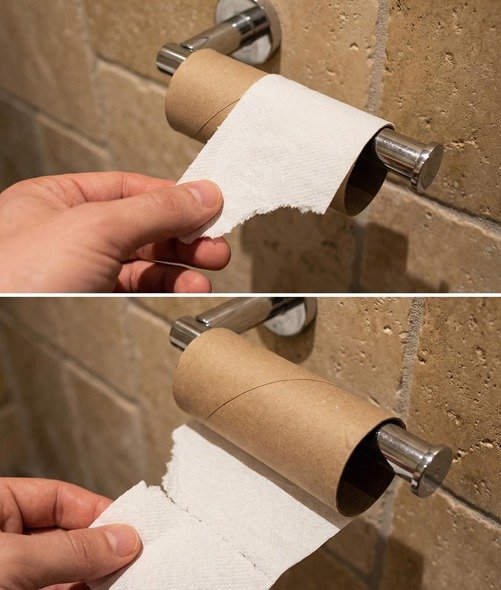
Every day, millions of people rely on toilet paper as a basic household product, rarely questioning its long-term sustainability. Yet growing discussions in countries such as France and across Western societies suggest that this familiar item may face significant change in the future. Rising awareness about environmental protection and responsible consumption has led many to reconsider everyday habits. Toilet paper, once seen as an unquestionable necessity, is now being examined for its broader ecological footprint and the consequences of its large-scale production and use.
The origins of modern toilet paper date back to the mid-19th century, when it was introduced by Joseph Gayetty in the United States. Since then, it has become a global standard. However, producing toilet paper requires vast amounts of wood, water, and energy, contributing to deforestation and industrial pollution. Beyond environmental concerns, some scientific studies, including research associated with the University of Florida, have drawn attention to chemical residues that may be present in certain paper products. While regulations exist to protect consumers, these findings have encouraged people to look more closely at what they use daily and how it may affect long-term well-being.